- Start
-
Online Casinos
Reviews
Playgrand Casino
Welcome BonusClaim Bonus
30 Free Spins on Book of Dead18+. T&C’s ApplyNew players only. 30 Free Spins which can be used to play the following slots: Gonzo’s Quest, Fruit Shop, Jack and the Beanstalk, Guns ‘N Roses and Starburst. Wagering requirements 35x.
- Payment Methods
- Blog
- Guides

 Canada
 Finland
 Germany
 Ireland
 Norway
 New Zealand
 Czech Republic
 Slovakia
Gambling Licensing Authorities and Licenses
16 Sep 2026
The gambling sector is present in many nations and jurisdictions and this means online casinos and betting organizations are usually expected to stick to certain legal and regulatory criteria, depending on where they deliver their services. One of the most crucial things about running a gambling business is getting the right gambling licensing.
A gambling licence is an authorization given to an operator to provide gambling services in accordance with the rules laid down by a particular licensing authority. Licensing systems are aimed to establish standards for operators and to give regulatory control of areas like as player protection, financial transactions, advertising, identity verification and responsible gaming.
Gambling laws are vary across the world therefore an operator may require separate licences depending on the markets it aims to service. A little bit of understanding about how gambling licences work can go a long way in explaining why online casinos have distinct terms, limits, payment choices and responsible gaming standards.
What is a Gambling License
A gambling licence is a legal authorization given to a corporation by a regulatory body to offer gaming services. A licence usually pertains to a specific jurisdiction and type of gambling operation.
Operators may have to show before getting a licence that they have sufficient financial resources, management systems, technological infrastructure and processes to protect clients. The precise requirements depend on the jurisdiction.
The licensing authority may also impose continuing duties on operators following the grant of the licence. A corporation cannot necessarily receive a licence and then run without further monitoring. Rules may be violated and audits, reports, complaints and enforcement actions may be initiated.
Why do online casinos require licenses?
Licensing provides a framework within which gaming firms can be scrutinized. Without regulations, consumers would have far less protection when depositing money or utilizing gambling services.
Licensed operators may need to demonstrate that games and gambling systems perform to approved standards. They may also have responsibilities under client verification, financial transactions, responsible gambling and complaints.
Licensing also helps authorities cope with illegitimate operators. Where permitted by local legislation, an operator providing gambling services without the proper authorization may be subject to penalties or prohibitions.
Thus, for consumers, reviewing the license information of an operator can be a vital element of understanding who operates a gaming website and what restrictions apply to it.
Licensing Agencies
Each country and region has its own regulatory system. In certain jurisdictions, the gaming regulator is centralized, while in others, the responsibilities are divided among a number of authorities.
A regulator can license, supervise operators and enforce gaming law. It may also disseminate information on licensed companies and disciplinary action.
The licence could potentially contain details of the operator, its permitted activities and the jurisdiction in which the licence is valid.
We have to separate the company that operates a gaming site and the company that provides the software. The casino may have its own operator license and run games provided by third-party software providers.
Licensing Application Process:
Obtaining a gambling licence can be a detailed application process.
Regulators might look into the company that is applying for the licence, its ownership structure, its directors and its top management. By looking at the financial information, you may also see whether the business has the resources to continue to run.
Technical systems may also be studied. This can comprise the gambling platform, transaction systems, client account systems and information protection measures.
Operators may also require written policies on responsible gaming, anti-money laundering, consumer complaints and identity verification.
The difficulty of the process differs considerably from one jurisdiction to another. Others may have alternative approaches. Some licensing systems have rigorous application and reporting requirements.
Financial Needs
Regulating gambling is a big part of restrictions on finance.
Operators usually want technologies that allow them to properly process customer deposits and withdrawals. Some jurisdictions additionally have rules around consumer finances and how money belonging to customers is handled.
Regulators may force corporations to provide financial reports or undergo independent audits. The measures are aimed at increasing openness in the financial operations of gambling companies.
Financial criteria can also help regulators decide if an operator is financially capable of meeting its obligations to customers and other parties.
Verifying Your Identity
Customer verification is another big part of regulated gambling.
Operators may have to check details such as a customer’s identification, age and location. The information you need to know depends on the jurisdiction and the situation.
Sometimes, verification can be completed at registration and on some occasions, further checks are necessary when consumers deposit large sums, withdraw money or trigger particular compliance procedures.
While verification could make opening an account or making withdrawals a little less comfortable, it is part of the regulatory structure to prevent underage gambling, fraud, money laundering and the abuse of gambling accounts.
Responsible Gaming Requirements
Consumer protection is an increased priority in 21st century gaming regulation.
Licensed operators may be required to offer solutions that allow users to control their gambling habits. These can include deposit limits, spending limits, time reminders, account restrictions and self-exclusion depending on the jurisdiction.
Operators may also have a duty to offer information on the risks of gambling and on support services.
The specific laws vary from licensing authority to licensing authority, hence responsible gaming features can vary between markets.
Technical tests
Technology plays a large role in online gambling platforms and technical standards are thus an important part of regulation.
Approved testing organizations may be required to independently evaluate random number generation systems and games. The goal is to demonstrate that gambling items act according to the declared technological specifications.
Technical requirements may also apply to other parts of an online gambling platform e.g. cybersecurity, processing payments and data protection.
Advertising and Marketing Standards
Rules for gambling advertising varies from country to country.
Some places have limits on where gambling ads can appear, what they can say and who they can target. Rules could also be in place on advertising to children or promoting gambling as a sure way to get rich.
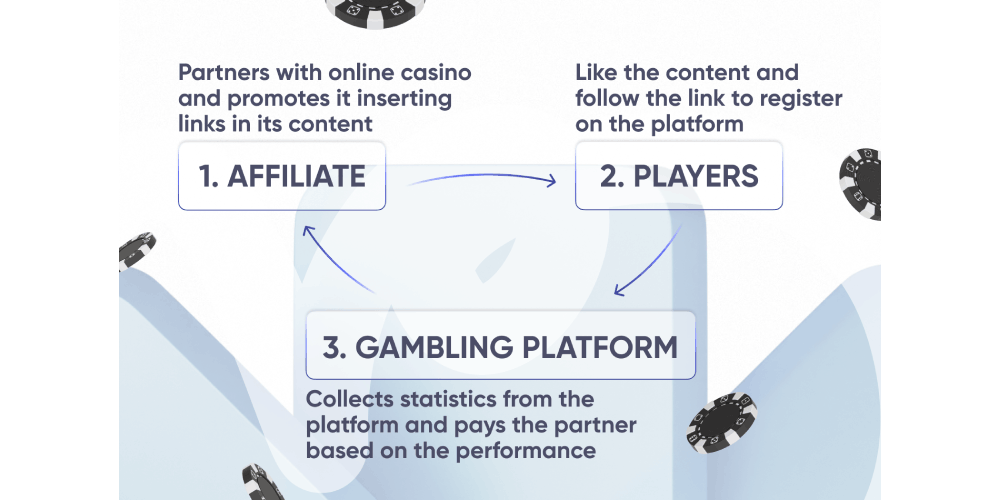
Affiliate marketing can also be within regulatory constraints. Gambling affiliates promote operators using websites, reviews, comparison pages and other forms of digital marketing.
The operators and marketing partners should be aware of the restrictions applicable to the market they are targeting as the requirements are different.
Terms of the Licence
A gambling licence is generally conditional.
These conditions can include topics such as reporting, client verification, responsible gaming, advertising, financial controls and technical standards.
A regulator has different enforcement measures if an operator fails to meet its responsibilities. Depending on the severity of the issue and local legislation, these may include warnings, financial fines, additional requirements or suspension or cancelation of a licence.
Why Licensing Environment Differs by Country
There is no single worldwide gambling licence that will immediately allow an operator to offer services everyplace.
Every jurisdiction is free to develop its own gaming legislation. Some nations legalize internet gambling only under specified restrictions, while others ban certain types of gambling or require providers to have a local licence.
This is part of the reason why online gambling firms are able to offer different services to customers in different regions.
Operators may take consumers from one market but restrict access from another, either because its license does not cover that area, or because the service cannot be offered there under local law.
How Players Verify a Licence
Usually, though, players will find the licensing information at the bottom of an online gambling site or in the terms and conditions.
This information may contain the license number, legal company name and regulatory authority.
It's crucial to confirm the information is correct for the real company running the website. Don't just assume that because you see a logo the site is licensed.
They may also keep public registers that enable consumers to check if a company has a certain licensing.
The Future of Licensing in Gaming
Changing technologies continue the evolution of gambling regulation.
New gaming technologies, mobile gambling, digital payments, cryptocurrencies, artificial intelligence and personalized marketing can lead to new regulatory concerns.
Regulators are increasingly focused on operators’ compliance with not only the standard gaming rules but also other areas including data protection, cybersecurity, advertising practices and consumer protection.
As internet gaming continues to grow more sophisticated, licensing procedures will undoubtedly keep evolving.
Summary
gaming licences are a crucial component of the regulated gaming business. They impose legal obligations on operators and give regulatory bodies tools to supervise gambling operations.
Licensing covers various areas such as financial controls, identification verification, technical testing, responsible gaming, advertising and customer protection.
Different states have different restrictions around gambling and there are no international rules that apply to all online casino or betting firms. Thus, understanding the operator’s licensing may contribute to understanding the regulatory environment in which its services are embedded.
Licensing is still an important feature of modern gambling industry, both for gambling enterprises and customers.
Exclusive Casino Bonuses

New customers. Opt-in required. 20 Bonus Spins on “Sahara Riches Cash Collect” at 10p per spin and 100% Deposit Bonus up to £25 on first deposit (payment method and play restrictions apply). Min. deposit £10. 30x wagering for Bonus Spins and Deposit Bonus (game weighting applies). Max. £5/spin or £0.50/line. 30 days expiry.
18+. T&C’s ApplyCasino Guides
Browse our extensive online casino guides, written with care to provide gamers with the tools they need to succeed. No matter how much or how little experience you have with online gambling, our tips will help you make the most of your time here by covering everything from different kinds of bonuses to safe gaming practices.